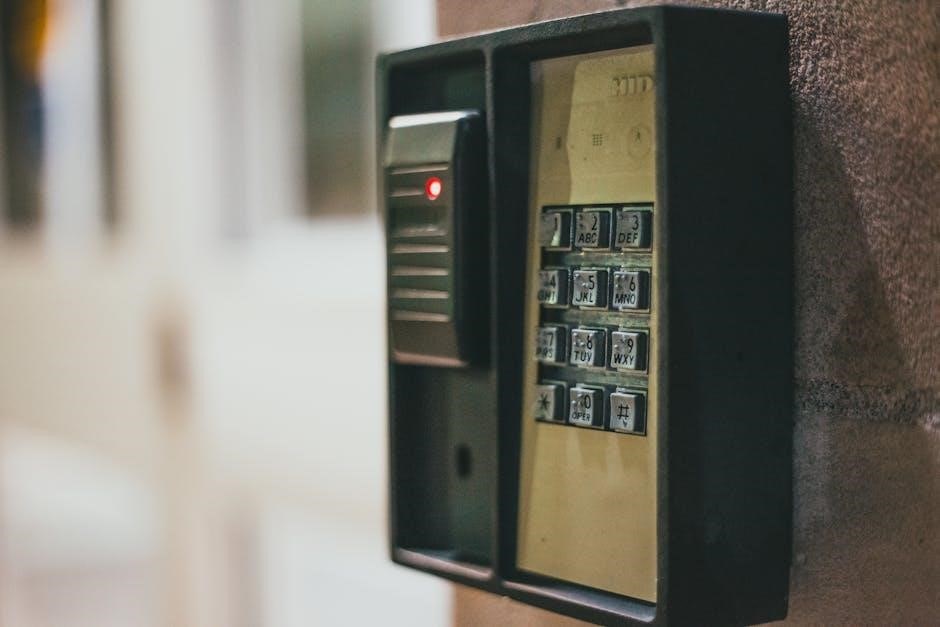
Manual pull station fire alarm systems are crucial for initiating evacuation procedures․ They complement automatic detection, offering a direct method for occupants to signal a fire emergency, ensuring swift response․
What is a Manual Pull Station?
A manual pull station is a vital component of a fire alarm system, functioning as a dedicated activation point․ Unlike automatic detectors, it requires human intervention – a physical pull of a lever or breaking of glass – to initiate an alarm signal․ These stations are strategically placed throughout buildings, offering readily accessible means for individuals to report a fire․
They are designed for simplicity and reliability, ensuring anyone can operate them effectively, even in stressful situations․ Manual pull stations serve as a crucial backup to automated systems, guaranteeing alarm activation even if automatic detection fails․
The Role of Manual Pull Stations in Fire Safety
Manual pull stations play a critical role in comprehensive fire safety strategies․ They empower building occupants to actively participate in emergency response, providing a direct method to alert others to a fire, even before automatic detection occurs․ This immediate notification is crucial for facilitating swift evacuation and minimizing potential harm․
By offering a redundant alarm initiation method, pull stations enhance system reliability, ensuring a response even if automatic systems malfunction․ They are integral to a layered approach to fire protection, safeguarding lives and property․
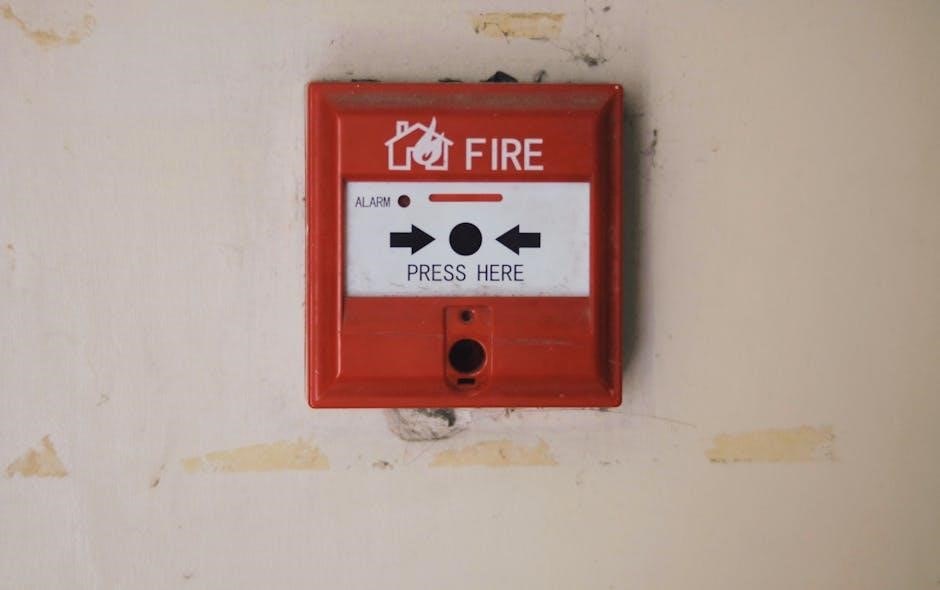
Components of a Manual Pull Station System
Key components include the pull station itself, wiring connecting it to the alarm control panel, and the panel which receives and processes the activation signal․
Pull Station Mechanism
The core of a manual pull station lies in its mechanical operation․ Typically, a glass rod or breakable element shields a switch․ Pulling the handle breaks this element, immediately activating the switch and initiating an alarm signal․ This action creates a direct physical connection, bypassing reliance on sensors․
Different designs exist, from simple lever actions to more robust dual-action mechanisms․ The mechanism must be reliable, resisting accidental activation while ensuring immediate response during an emergency․ Quality materials and precise engineering are vital for consistent performance and longevity․
Wiring and Connections
Wiring for manual pull stations is critical for system reliability․ Typically, pull stations utilize a normally open (NO) circuit․ When activated, the broken circuit sends a signal to the fire alarm control panel․ Wiring methods must adhere to local and national electrical codes, ensuring proper gauge and insulation․
Connections often involve supervised circuits, constantly monitored for integrity․ Tampering or damage to the wiring triggers an alert․ Secure connections and proper grounding are essential to prevent false alarms and ensure dependable operation during a fire emergency․ Fire alarm cabling complexity has increased over time․
Alarm Control Panel Integration
Integrating manual pull stations with the fire alarm control panel (FACP) is fundamental․ Upon activation, the pull station transmits a signal, initiating a pre-programmed response sequence within the FACP․ This includes activating audible and visual alarms, notifying emergency services, and potentially controlling other building systems․
Modern FACPs support various communication protocols, ensuring compatibility․ Zoning capabilities allow pinpointing the fire’s location․ The FACP’s role is central to a comprehensive fire detection and alarm system, responding to manual activations alongside automatic detection methods․

Types of Manual Pull Stations
Manual pull stations vary in operation, including single-action, double-action, and key-reset models․ Each type offers different levels of accidental activation prevention and security․
Single-Action Pull Stations
Single-action pull stations represent the most straightforward design, requiring only one motion – typically a downward pull – to activate the alarm․ These are commonly found due to their simplicity and ease of use in emergency situations․ However, this simplicity also means they are more susceptible to accidental activation․
The mechanism usually involves breaking a glass rod or releasing a latch, immediately signaling the fire alarm control panel․ They are often utilized in areas where quick activation is paramount, but accidental pulls are less likely, such as hallways or near exits․ Their intuitive operation makes them readily accessible for all occupants․
Double-Action Pull Stations
Double-action pull stations minimize accidental activations by requiring two distinct motions to initiate an alarm․ Typically, this involves lifting a protective cover or breaking a glass panel before pulling the activation lever․ This added step significantly reduces false alarms, making them ideal for high-traffic or vulnerable areas․
These stations offer a higher level of security and are often preferred in schools, hospitals, and public spaces․ While slightly more complex to operate, the reduced risk of unintentional activation outweighs this concern, ensuring reliable fire signaling when genuinely needed;
Key-Reset Pull Stations
Key-reset pull stations require a designated key to restore the system after activation, preventing unauthorized silencing or resetting of the alarm․ This feature is particularly valuable in environments demanding strict control and accountability, such as commercial buildings or sensitive facilities․
Once the alarm is triggered, the station remains latched until reset with the correct key, ensuring that the fire department or responsible personnel are aware of the incident and can investigate․ This adds a layer of security and prevents accidental or malicious deactivation․

Installation Considerations
Proper installation of manual pull stations demands adherence to wiring regulations, mounting height standards, and accessibility guidelines for optimal performance and code compliance․
Mounting Height and Location
Strategic placement of manual pull stations is paramount for effective fire safety․ Stations should be readily accessible along egress routes, ensuring visibility and ease of operation during emergencies․ Generally, mounting height requirements dictate placement between 36 and 48 inches from the floor․
Locations near doorways, on the path of exit, and in high-traffic areas are ideal․ Avoid obstructions that could hinder access․ Consider the needs of individuals with disabilities, ensuring stations are reachable from a wheelchair․ Consistent spacing, as defined by relevant codes, is also crucial for comprehensive coverage throughout the facility․
Wiring Regulations and Standards
Fire alarm system wiring demands strict adherence to national and local electrical codes, primarily NFPA 72․ Wiring methods must ensure circuit integrity and reliability, often requiring supervised circuits to detect faults like opens or shorts․ Conductor types should be fire-rated and suitable for the environment․
Proper grounding and bonding are essential for safety and performance․ All wiring must be installed in conduit or cable trays, protected from physical damage․ Regular inspections verify compliance with these standards, guaranteeing the system’s dependable operation during a fire event, and preventing false alarms․
Accessibility Requirements
Manual pull stations must comply with the Americans with Disabilities Act (ADA) standards for accessibility․ This includes ensuring a maximum mounting height of 48 inches from the floor to the activation handle, allowing reach for individuals in wheelchairs․ Clear floor space is required in front of the station․
Tactile signage and contrasting colors aid visibility for individuals with visual impairments․ Activation force should be minimal, typically no more than 5 pounds, accommodating those with limited strength․ Proper placement avoids obstructions, ensuring all occupants can readily access and operate the station in an emergency․

Testing and Maintenance
Regular inspection and functional testing of manual pull stations are vital․ This ensures reliable operation during emergencies, confirming proper alarm signal transmission and system responsiveness․
Regular Inspection Procedures

Consistent visual inspections are paramount for maintaining system integrity․ Examine pull stations for physical damage, obstructions, and proper labeling – ensuring clear visibility․ Verify that the glass (if applicable) remains intact and the pull handle moves freely without resistance․
Document all inspection findings meticulously, noting any discrepancies or required repairs․ A detailed logbook provides a historical record, aiding in trend analysis and proactive maintenance․ Inspections should align with NFPA 72 guidelines, typically conducted semi-annually or annually, depending on local regulations and system requirements․
Functional Testing Methods
Activate each pull station individually to verify proper signal transmission to the fire alarm control panel․ Observe the panel for the correct zone identification and alarm annunciation․ Confirm that the alarm sounds audibly throughout the building, and that any connected notification appliances (strobes, horns) operate as intended․
Record test results, including date, time, station location, and any observed anomalies․ Reset the system after each test, ensuring a return to normal operation․ Testing should be performed by qualified personnel, adhering to NFPA 72 standards, and documented thoroughly for compliance․
Troubleshooting Common Issues
Common problems include false alarms due to accidental activation or mechanical issues; Inspect for physical damage, loose wiring, or obstructions hindering proper operation․ A failure to register at the panel often indicates wiring faults or a defective pull station․
Verify proper key reset functionality if applicable․ Regularly clean pull stations to prevent dust or debris interference․ If issues persist, consult qualified fire alarm technicians for diagnosis and repair, ensuring system reliability and adherence to safety standards․ Document all troubleshooting steps․

Fire Alarm System Integration
Manual pull stations seamlessly integrate with fire alarm control panels, enabling zoned responses and system-wide alerts for effective building evacuation protocols․
Compatibility with Different Panel Types
Manual pull stations demonstrate broad compatibility across various fire alarm control panel types, including conventional, addressable, and wireless systems․ Conventional panels typically utilize zone-based identification, while addressable systems pinpoint the exact pull station activated․ Ensuring compatibility requires verifying voltage requirements and communication protocols – often involving relay-based or data communication interfaces․ Modern panels frequently support diverse pull station technologies, simplifying integration․ However, always consult manufacturer specifications to confirm seamless operation and adherence to relevant fire safety standards for optimal system performance and reliability․
Zoning and Addressability
Zoning divides a building into areas, with pull stations assigned to specific zones, aiding in fire location․ Addressability takes this further, assigning a unique identifier to each pull station․ This allows for precise pinpointing of the activation point, streamlining emergency response․ Addressable systems offer detailed reporting and faster response times compared to conventional zoning․ Proper zoning and addressability are critical for effective evacuation plans and efficient fire department dispatch, enhancing overall building safety and minimizing potential damage․
Mass Notification System Connectivity
Mass Notification Systems (MNS) increasingly integrate with fire alarm systems, including manual pull stations․ When a pull station is activated, the MNS can disseminate pre-recorded voice messages and instructions throughout the building, beyond simple audible alarms․ This connectivity ensures clear, targeted communication during emergencies, guiding occupants to safety․ Modern systems support diverse notification methods – speakers, strobes, digital signage, and even email/SMS alerts – maximizing reach and effectiveness․ Seamless integration is vital for comprehensive emergency preparedness and occupant safety․

Relevant Codes and Standards
NFPA 72 provides comprehensive guidelines for fire alarm system components, including manual pull stations, alongside local building codes and ADA compliance requirements․
NFPA 72 Standards
NFPA 72, the National Fire Alarm and Signaling Code, dictates stringent requirements for manual pull stations․ It covers aspects like visibility, operating force, and durability, ensuring reliable activation during emergencies․ The standard specifies proper spacing and mounting heights for accessibility․
Furthermore, NFPA 72 details testing and maintenance protocols, including regular inspections and functional tests, to verify operational readiness․ It also addresses requirements for identification, listing, and approval of pull station devices, promoting consistent quality and performance across installations․ Adherence to these standards is vital for life safety․
Local Building Codes
Local building codes often supplement NFPA 72, imposing additional requirements for manual pull station fire alarm systems․ These codes may dictate specific placement based on occupancy type, building size, and egress routes, ensuring accessibility for all occupants․ Jurisdictional variations are common, necessitating careful review during project planning․
Compliance with local amendments is crucial for obtaining permits and approvals․ Codes may also address wiring methods, supervision requirements, and integration with other life safety systems․ Staying informed about the latest local regulations is essential for a safe and legally compliant installation․
ADA Compliance
ADA (Americans with Disabilities Act) standards significantly impact manual pull station fire alarm system design․ Pull stations must be accessible to individuals with disabilities, requiring specific mounting heights and operating forces․ Clearance around the station is vital for wheelchair maneuverability, ensuring usability for everyone․
Tactile signage and visual alarms are often mandated to assist individuals with visual or hearing impairments․ Compliance ensures equal access to emergency notification, promoting safety for all building occupants․ Regular audits are recommended to verify ongoing ADA adherence․

Advanced Features and Technologies
Modern pull stations incorporate addressability, wireless connectivity, and intelligent monitoring for enhanced diagnostics and quicker, more precise fire location identification․
Addressable Pull Stations
Addressable pull stations represent a significant advancement in fire alarm technology․ Unlike conventional systems, each station possesses a unique address on the loop, allowing the fire alarm control panel to pinpoint the exact location of the activation․ This precise identification drastically reduces search time for emergency responders, improving evacuation efficiency and minimizing potential damage․
Furthermore, addressable systems offer enhanced diagnostic capabilities, identifying potential faults or tampering with individual stations․ This proactive monitoring ensures system reliability and reduces false alarms․ They integrate seamlessly with advanced fire alarm panels, providing detailed event logging and reporting for comprehensive fire safety management․
Wireless Pull Station Systems
Wireless pull station systems offer a flexible and cost-effective alternative to traditional wired installations, particularly in buildings where running cables is difficult or impractical․ These systems utilize radio frequency (RF) communication to transmit activation signals to the fire alarm control panel, eliminating the need for extensive wiring․
Battery-powered and easy to install, wireless pull stations are ideal for temporary structures, historic buildings, or retrofit projects․ However, reliable RF signal strength and battery life are critical considerations․ Regular testing and maintenance are essential to ensure consistent performance and dependable fire detection capabilities within the overall system․
Intelligent Pull Station Monitoring
Intelligent pull stations represent a significant advancement in fire alarm technology, offering enhanced monitoring capabilities beyond simple activation․ These devices incorporate microprocessors to provide detailed information about the initiating event, such as the specific pull station activated and potential tamper alerts․
This granular data allows for faster and more accurate response by emergency personnel, reducing investigation time and improving overall safety․ Intelligent monitoring can also differentiate between accidental activations and genuine emergencies, minimizing false alarms and associated disruptions․ They contribute to a more reliable and informative fire safety system․

Future Trends in Manual Pull Station Technology
Future trends involve integrating pull stations with building automation, enhancing diagnostics, and improving accessibility through user-friendly interfaces for all occupants․
Integration with Building Automation Systems
Integrating manual pull stations with broader building automation systems (BAS) represents a significant advancement․ This connectivity allows for a centralized management of various building functions, including HVAC, lighting, and security, alongside fire safety․ Upon activation, a pull station can trigger not only the fire alarm but also initiate pre-programmed responses within the BAS, such as automatically unlocking doors for egress or shutting down air handling units to prevent smoke spread․
Such integration streamlines emergency response, providing a more coordinated and effective approach to building safety․ It also facilitates detailed reporting and analysis of fire alarm events within the BAS platform, aiding in post-incident investigations and system optimization․
Enhanced Monitoring and Diagnostics
Future manual pull station technology will heavily emphasize enhanced monitoring and diagnostics․ Intelligent systems will move beyond simple activation/deactivation signals, providing detailed information about the pull station’s status – including tamper alerts, environmental conditions, and potential mechanical faults․ This proactive approach allows for preventative maintenance, reducing the risk of system failure during an actual emergency․
Remote diagnostics capabilities will enable technicians to troubleshoot issues efficiently, minimizing downtime and maintenance costs․ Real-time data analysis will identify trends and predict potential problems, further improving system reliability and overall fire safety․
Improved User Interface and Accessibility
Future pull station designs will prioritize a more intuitive user interface, moving beyond traditional lever-based mechanisms․ Visual indicators, like illuminated displays and clear text instructions, will guide users during emergencies, even in low-light conditions․ Accessibility is paramount; designs will cater to individuals with disabilities, ensuring ease of operation for everyone․
Ergonomic considerations will improve grip and reduce the force needed to activate the station․ Tactile markings and audible feedback will further enhance usability, making these critical safety devices more effective for all occupants․